
Fingerboard Stories

Arguably rock’s greatest producer, nobody captures those sounds better than Eddie Kramer. Even if you don’t know the name, you’ll know the records he helped make: Led Zeppelin II, Frampton Comes Alive, Physical Graffiti, Kiss Alive!, The Woodstock Soundtrack, All You Need Is Love and pretty much the entire discography of Jimi Hendrix. Given his near sixty-year career behind the mixing desk, Kramer has a thing-or-two to impart about the ins-and-outs of the recording process. Today, we’ve selected some choice observations from our favourite Eddie Kramer interviews.


Introduced in 1971, the SG-100, SG-200 and SG-250 were intended to supersede Gibson’s budget friendly Melody Maker instrument as the company’s entry level offering. As you’re probably aware, however, they didn’t. Indeed, within one year, production of SG-100s, 200s and 250s had ceased altogether. So what happened? Why did these budget model SGs fail, and are these much-maligned guitars due a re-evaluation today? Hold on to your hats, ‘cause we’re about to find out.
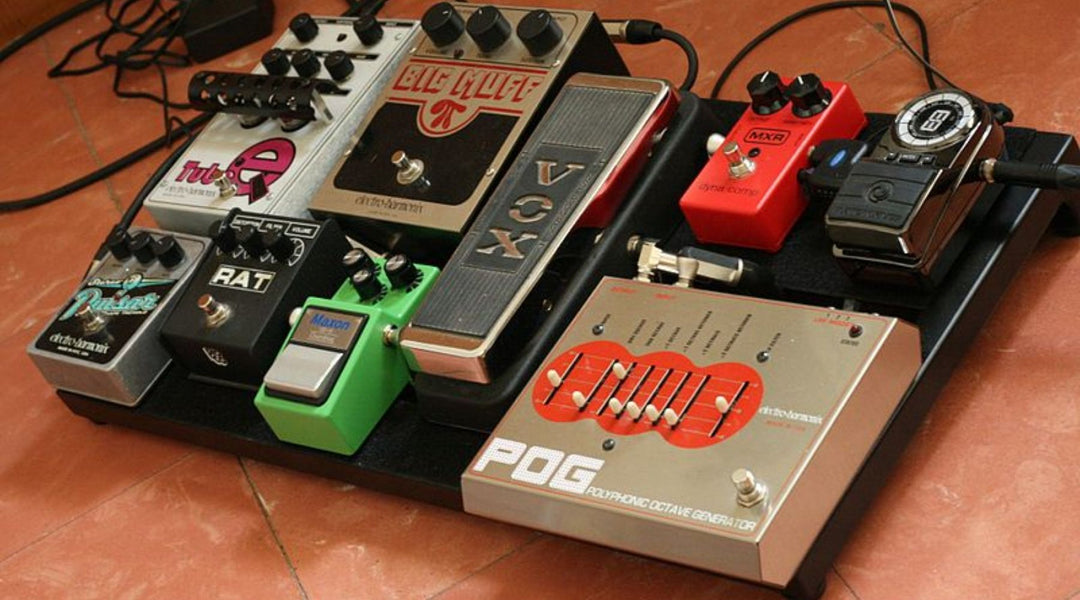
Guitar pedals are incredible tools. But, sometimes, the sheer wealth of pedals on the market leads to option paralysis. To put it another way, there are so many choices out there, we end up not actually choosing any because we’re so overwhelmed by it all. While mulling this problem over the other day, I had a thought. If I were restricted to owning only a handful of pedals, what would I choose? What – for me anyway – are the essential units that help me craft the guitar sound I like?
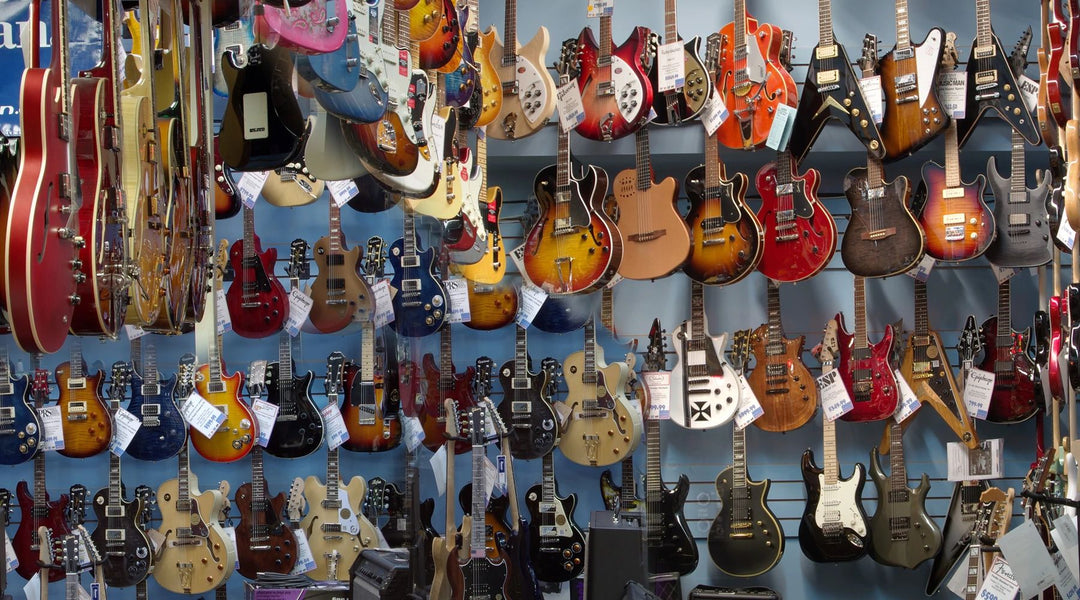
As we all know, the right number of guitars to own is always one more than you currently have. Yes, there are individuals that have a monogamous relationship with one instrument. But we’re betting that the majority of readers have a couple of six strings on the go at any given time. We all like to buy guitars. However, not all guitar buyers are alike. In our experience, there are three kinds of guitar buyer out there. And, there are pros and cons to each approach.