
Will It Go ‘Round In Circles

When looking at a guitar’s specs, most will check out the wood, the electronics, the colour, the fret metal and a whole other host of stats that rival most football, baseball and hockey cards combined.
However, show of hands here, who checks the fingerboard radius? Anyone? Bueler?
While it may be something that most gloss over, it is a good number to know, depending on the type of player you are. So let’s go ‘round the subject!
So, what exactly is fingerboard radius, anyway?
Imagine a perfect circle. Now, draw a straight line from any point of the circle to its center. The distance of that line is the radius. Math is fun!
Now imagine that the top of your fingerboard was cut from that circle. The roundness of that circle represented on your fingerboard comes from the radius of the circle. The smaller the fingerboard radius, the rounder the fingerboard is. The common thought is that a rounder radius is easier for chording since the curve best fits the natural shape of your fingers, while a flatter radius makes playing lines and solos easier.
Fretboard radii vary from guitar company to guitar company, and even model to model. Early Fenders had a radius of 7.25” (now vintage spec and is also the fretboard radius of the PRS Silversky), later switching over to a 9.5” radius. Gibson typically offers a flatter 12” radius. Brands associated with speed (think Ibanez, Charvel, etc.) typically offer a flatter 16” radius. Classical guitars typically have no radius at all with flat fingerboards. If you want to know the radius of your fingerboard, a quick Google search on your guitar’s make and model should get you the answers you need!
Some guitars even mix it up with a compound-radius fretboard, where the lower frets have a rounder radius for easier chording, while the upper frets are flatter for soloing.
It’s important to note that no radius is truly better than the other, and all depends on the player. You can chord just as easily on a flatter radius and shred on a rounder one if that’s what you’ve learned to play on. Most players (like me) won’t even notice a major difference between different fretboards apart from maybe a minor adjustment in how they play.
Capos and Fingerboard Radius
Probably the best argument for knowing your fingerboard radius is for selecting the best capo for your guitar. Because a capo acts as a clamp, you want it to apply pressure evenly across all strings so that they all make positive contact with the frets. The best way to make this happen is to use a capo that matches the radius of your fingerboard.
If the arc of your capo’s pad does not match the radius, you could end up with dead spots on the open strings, where the capo doesn’t apply enough pressure for the strings to make contact with the frets. A flat capo might cause the outside strings to buzz out, while a capo with too much arc will have that effect on the inside strings. Not exactly the result you may want when looking for those chimney open-position voicings with a capo on your guitar.
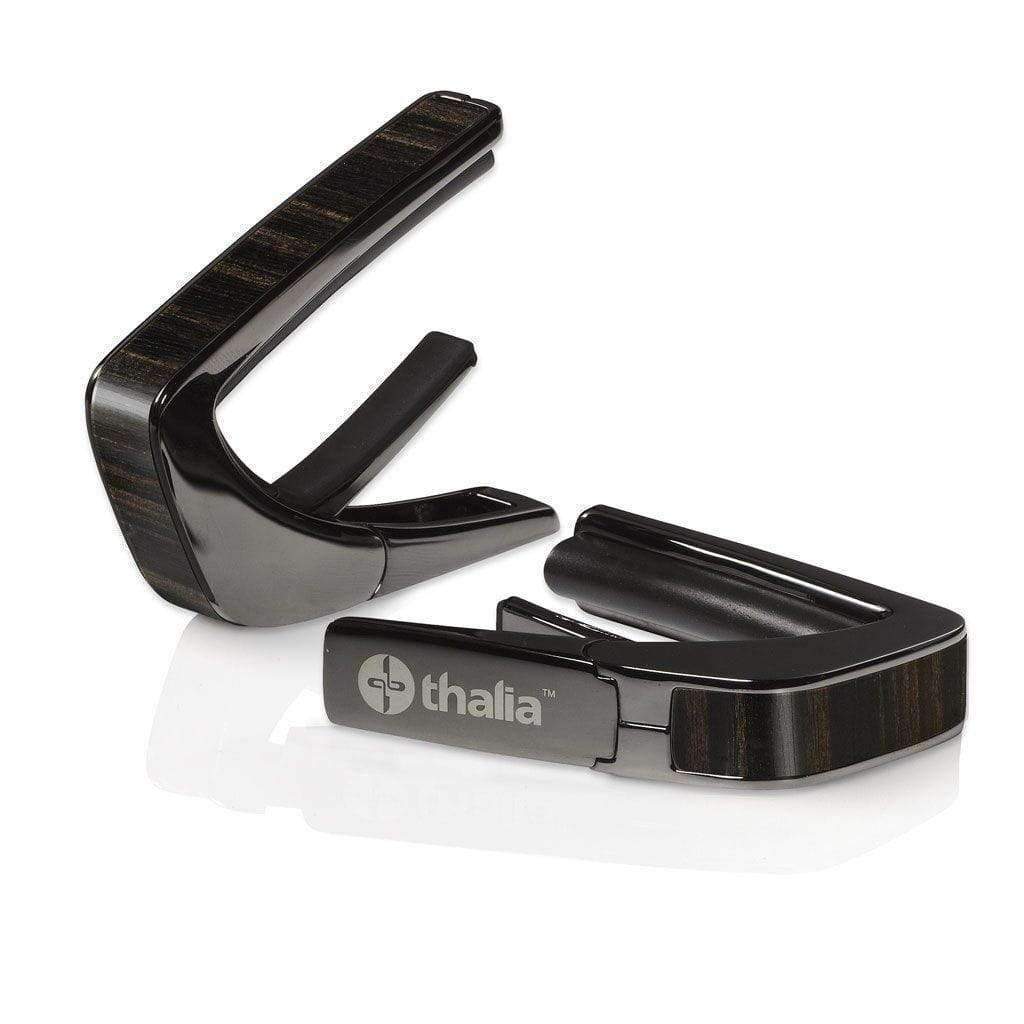
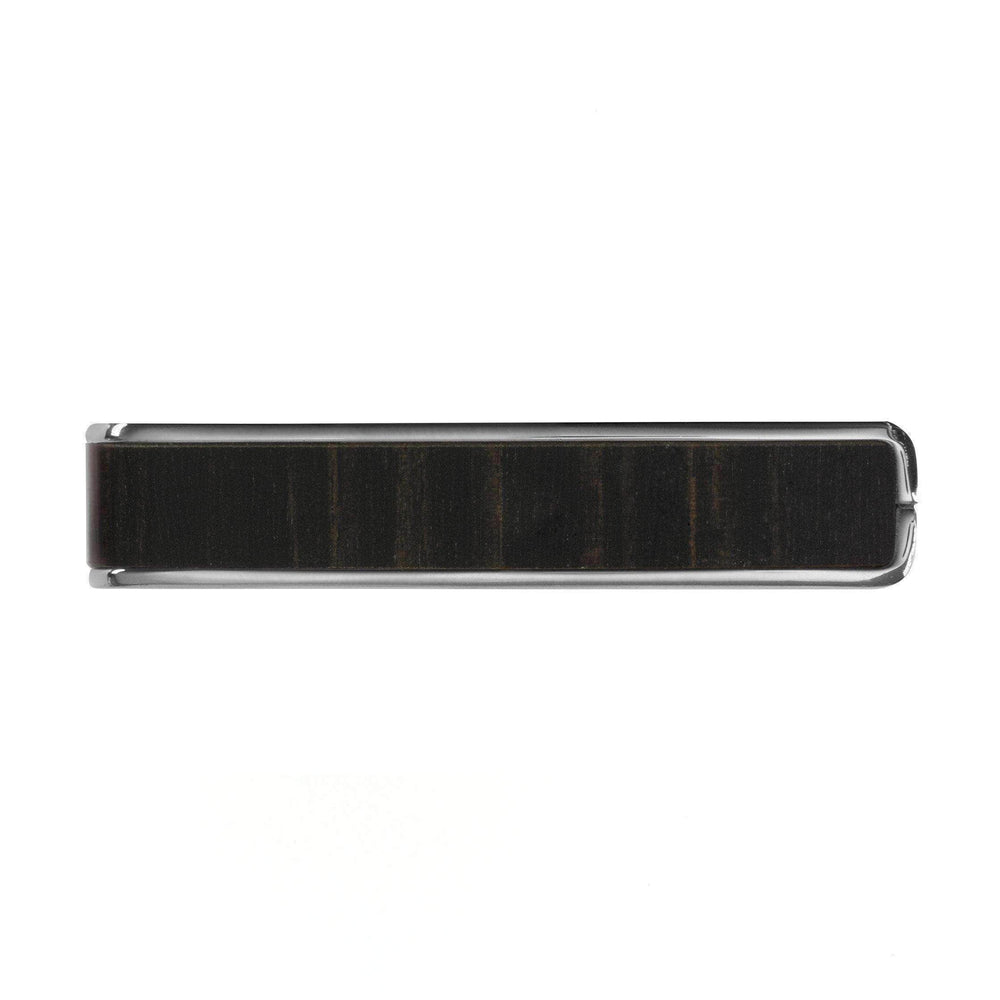
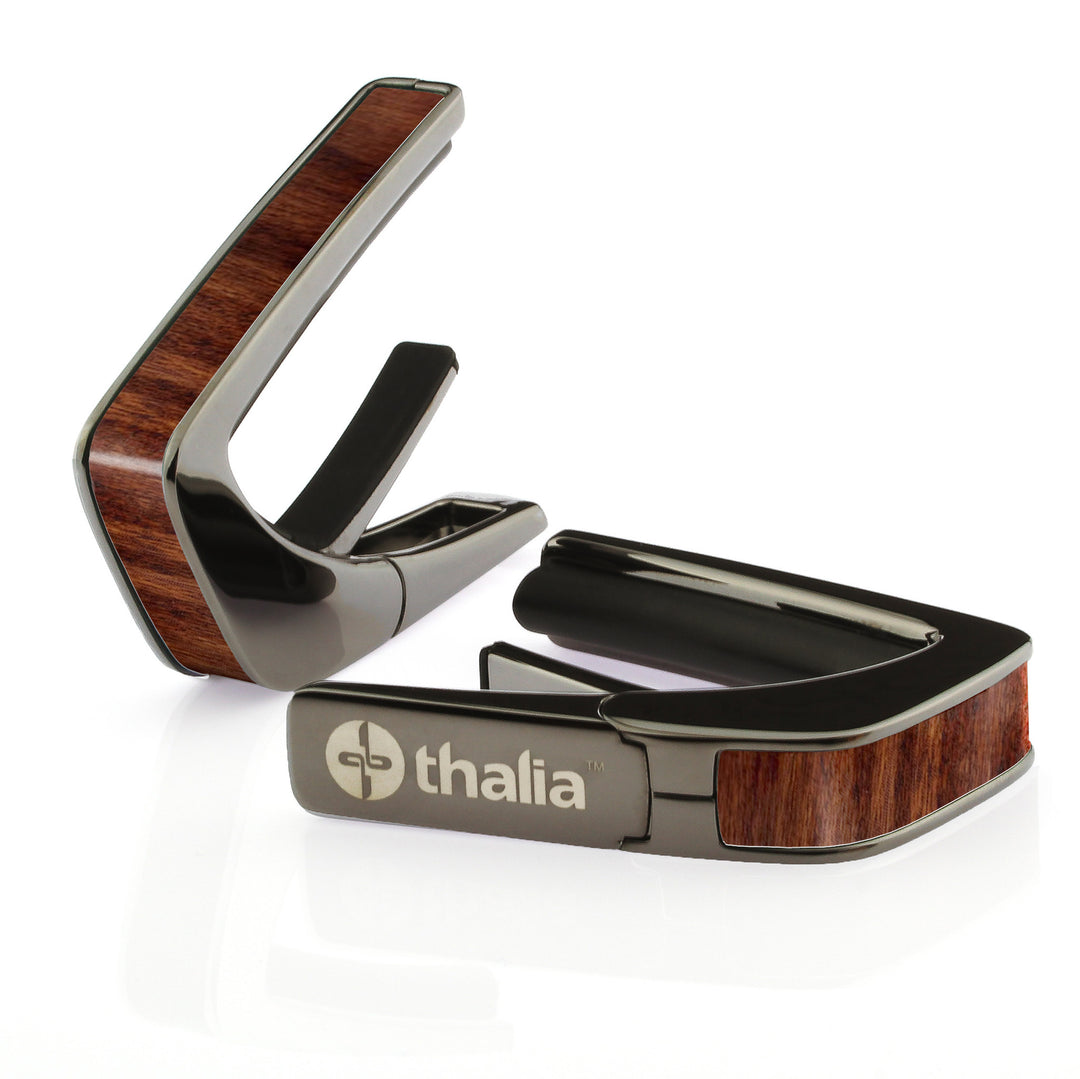
Thankfully, here at Thalia, we offer options to ensure your capo fits your guitar properly. Our capos come standard with two fretpads: a standard tension pad for all guitars (both electric and acoustic), and a high-tension pad for 12-string guitars and folk instruments. Furthermore, we offer fret pad kits in standard, high-tension, and specialty tunings, with different radii options for different guitars.
If you’re also wondering what fretpad you need, we’ve created this handy fretboard radius guide to help you!
By Kevin Daoust - instagram.com/kevindaoust.gtr
Kevin Daoust is a guitarist, guitar educator and writer based in Gatineau, Quebec, Canada. When not tracking guitars for artists around the world or writing music-related articles online, he can be seen on stage with Accordion-Funk legends Hey, Wow, the acoustic duo Chanté et Kev, southern rockers Travelling South, and as a hired-gun guitarist across Quebec and Ontario. He holds a Bachelor of Music in Guitar Performance from Carleton University in Ottawa, Ontario, Canada.