
The Secret Behind Your Guitar's Sound

Let’s talk tonewoods (as I duck behind my desk).
Yes, we know that the topic brings up... shall we say... spirited discussions online in guitar forums and comment sections all over the World Wide Web.
While some may say they make all the difference, to little-to-no difference for electric guitars, acoustic guitars are a completely different matter. Having played a bunch of acoustics while reviewing guitars for other websites, I can say that, beyond a shadow of a doubt, woods matter when it comes to acoustic guitars, and play a role in the sound along with other factors.
Tops
From my trips to the music store over the years, the most common top that you’ll find on acoustic guitars is spruce, whether it’s Sitka, Engleman or Adirondack. A nice blond wood, spruce offers a great, balanced sound with some snap on the top end. Though a softwood, I also find it very durable, able to stand up to someone with a vigorous picking hand.
After spruce, there’s cedar. Another softwood, cedar, has a more mellow sound with less top end. However, it has a full sound that’s great for strumming and still maintains good projection. It is also much softer than spruce, so expect scratches and faster wear on the top, especially if you’re heavy-handed like I am.
There are also some other woods that creep into the mix. Mahogany is known for a warmer tone, while maple (though not as common) is much brighter. There are also several exotic varieties that pop up from time to time for their aesthetic qualities and their similarities to other, more common tonewoods.
Back and sides
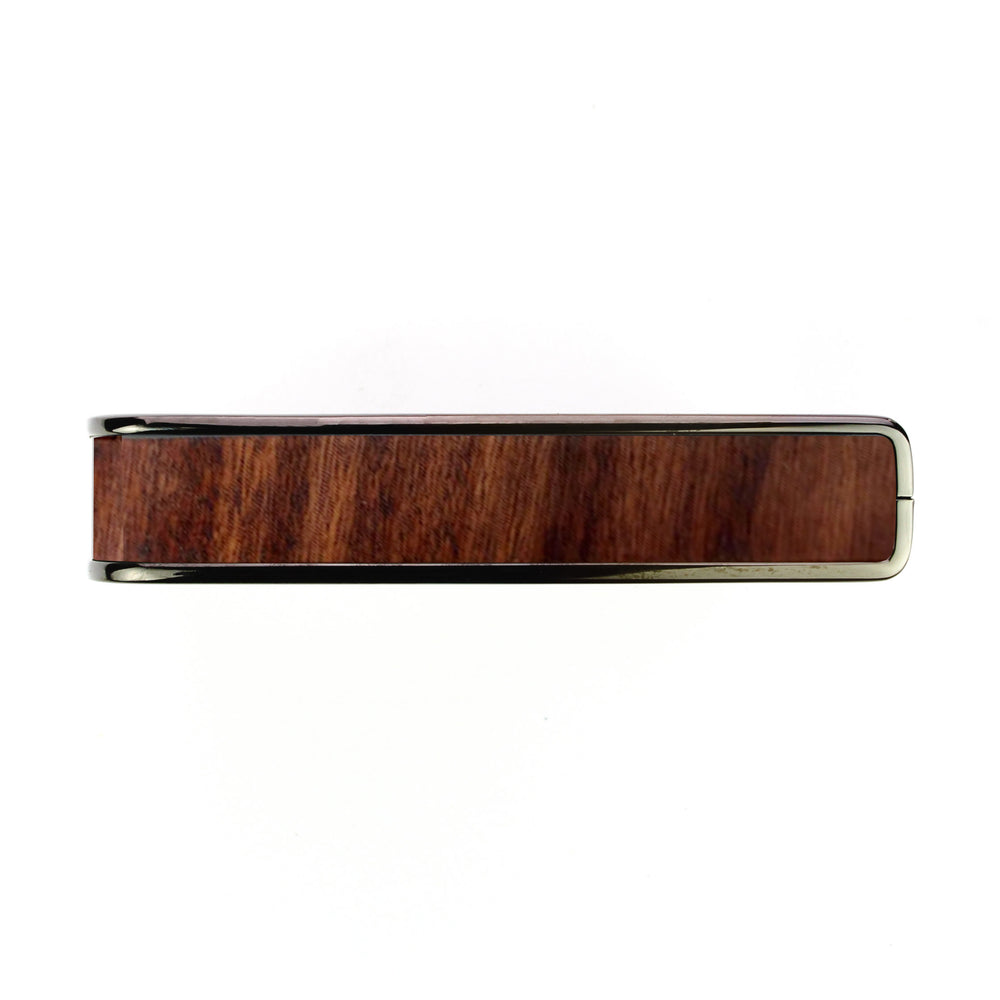
Without a doubt, the king of acoustic back and sides is rosewood. This provides a nice low end with great high-end definition, all while looking rather dashing!
Mahogany is also a common wood for this application. It’s a bit warmer sounding in the midrange and offers plenty of body.
You can also find guitars with maple backs and sides. As with its other applications, it's a brighter wood that offers more definition, though some people may find the guitar overall has a little less body.
Necks
While maple may reign supreme for most electric guitars, the most common neck wood you’ll find for acoustic guitars is mahogany. Much like its use as a top wood, it provides a warm sound with great stability under tension.
Cedar is another common neck wood choice that also provides a warm sound. Offering good stability, you’ll usually find this wood used for necks on classical guitars and some smaller acoustics. You’ll also find the much brighter maple used as a wood neck, as well as some more exotic woods, though these are far less common than mahogany and cedar.
Fingerboards
For acoustic guitars, the two most common woods are rosewood and ebony. Both offer a range of dark hues that play well with light top woods and have distinct tonal characteristics. Both offer nice and balanced tones, with ebony being a bit more snappy than rosewood.
Solid vs. ply
Now, a lot of these woods are nice, but we also have to account for the differences between solid and plywood versions of tops, backs, and sides.
We typically associate plywood with cheaper designs or aesthetic dressing more than tone. Truth is that solid woods tend to vibrate and project better than plywood, though a well-constructed guitar that uses plywood can sound fantastic and not break the bank as much.
Other factors to consider
Tonewoods are part of a much bigger recipe when it comes to the sound of an acoustic guitar. Some things to consider also include the construction of the instrument, the quality of the woods used, the upkeep of the instrument, and even the strings (because, as we know, dead strings will make the nicest guitar sound like a flat, unresponsive and inarticulate dud).
Depending on the sound you want, looking at the woods used for the characters mentioned above can point you in the right direction for the guitar you have in mind. Add in the other factors, and you’ll find the guitar with the sound that you’re looking for in no time!